Poker Pot Odds Calculation Guide for Australian Players
Most serious players know that chasing a flush draw without the maths to back it up is a fast way to burn through a bankroll. Understanding pot odds turns guesswork into a repeatable decision, and that discipline matters just as much when you are moving from home games to a regulated online table. The same commercial rigour that shapes licensing and product strategy at Flutter International applies here: know the numbers, respect the limits, and treat every session as a measured exercise rather than a punt.
Reading the Table Before You Commit Chips
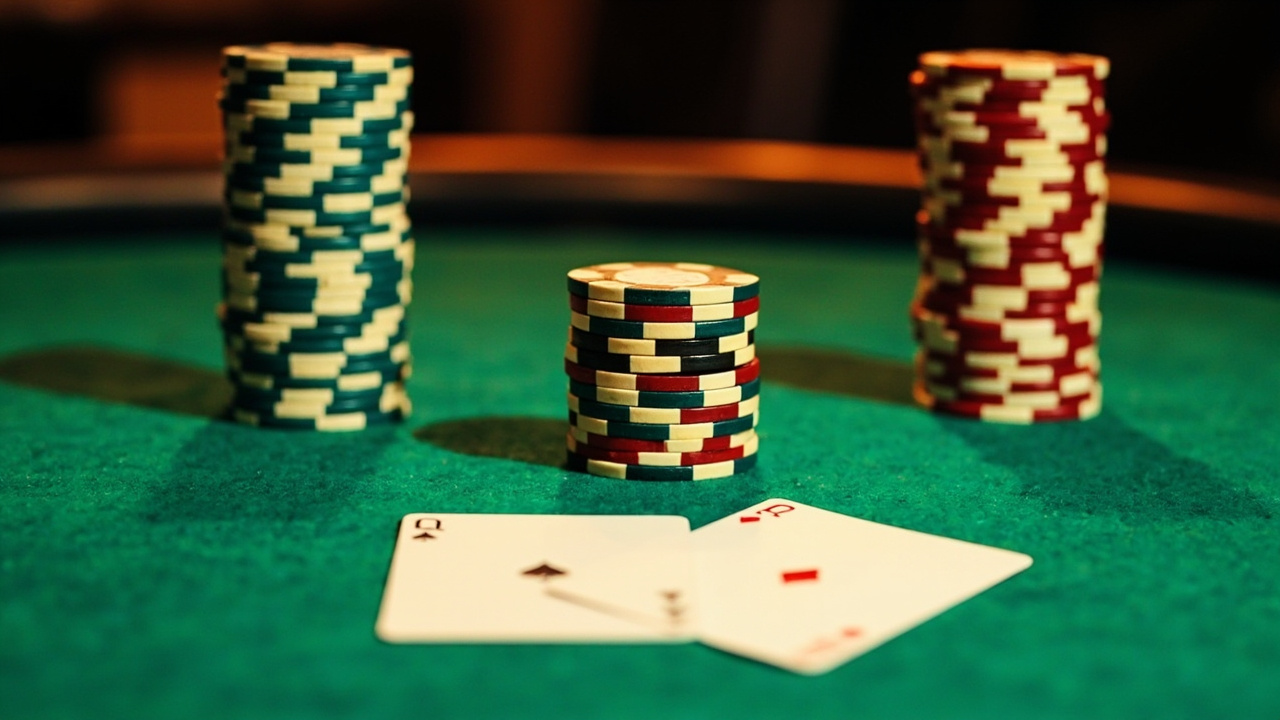
Pot odds are simply the ratio between the cost of a call and the total pot you stand to win. If the pot sits at $80 and your opponent leads $20, you are being asked to risk $20 to win $100, which gives you 5:1 odds or roughly 16.7% equity needed to break even. The arithmetic is straightforward once you stop treating it as abstract theory and start applying it to the hands you actually face on a Tuesday arvo. Australian players who play regularly around Cairns know the local scene moves quickly, so having these figures ready before the flop keeps your decisions consistent when the action heats up. You can map those same decision frameworks onto broader casino choices and see how odds and casino choices explained when you are weighing table stakes against real-world risk. The point is not to memorise every possible scenario but to build a quick mental habit: count your outs, estimate your equity, compare it to the price of the call, and fold when the maths says the edge is not there.
When you are working through a hand, start by counting your clean outs and multiplying by four on the flop or two on the turn to get a rough equity estimate. A flush draw typically carries nine outs, which puts you near 36% on the flop and about 18% on the turn, while an open-ended straight draw usually gives you eight outs and a slightly lower equity profile. Those numbers are only useful if you compare them against the actual price you are being offered, because a tempting-looking draw can still be a negative expectation call when the pot is not paying enough. The discipline here mirrors how corporate development teams evaluate product rollouts: you do not greenlight a feature just because it looks exciting, you check whether the unit economics actually support it. In poker terms that means treating every call as a small commercial decision, weighing the risk against the expected return rather than hoping the next card sorts itself out.
Where the Numbers Meet Real Table Conditions
Raw equity calculations only tell part of the story because real tables introduce bet sizing, implied odds, and the reality that your opponent might not pay you off when you hit. Implied odds ask you to estimate how much extra you can extract on later streets if you complete your hand, which can justify a call that looks marginal on the surface, but that estimation has to be grounded in how your table actually plays. Tight, cautious fields around Cairns tend to pay off big hands less often, so leaning on implied odds in those sessions is a recipe for overcommitting, whereas a looser game might let you realise more value when the draw fills. The commercial takeaway is that context changes the maths, and smart players adjust their thresholds rather than applying a single rigid formula to every hand. You also need to factor in our official site reverse implied odds, where hitting your draw still leaves you second-best and facing a bet that you cannot comfortably call, which is why some draws are correct to chase and others are better left alone.
The practical checklist for any call looks like this:
- count your clean outs and ignore cards that help your opponent more than you
- estimate your equity using the four-two rule as a quick baseline
- compare that equity against the current pot odds before you reach for your chips https://stellarspinscasinoreview.com
- consider implied value only if the table has shown a willingness to pay off strong hands
- fold when the price is wrong, even if the draw looks tempting on the surface
That process keeps your play grounded in expected value instead of emotion, and it scales cleanly across different stake levels because the underlying ratios do not change just because the blinds do.
Building a Session That Respects the Maths
Knowing how to calculate pot odds is one thing, but the real edge comes from applying that discipline consistently across signup, verification, first deposit, and the first few sessions where habits form. A well-structured poker environment should make it easy to register, verify your identity, fund your account in a familiar currency, and activate any bonus without obscuring the terms that actually govern your play. The best setups treat bonus mechanics as a transparent part of the product rather than a maze of hidden wagering requirements, because players who understand the real cost of a bonus can decide whether it genuinely improves their starting position. Mobile access matters here too, since a clean app that preserves the same table limits and bonus rules as the desktop site lets you run the same calculations on the train or between meetings without losing track of your bankroll plan. Support and loyalty structures should reinforce that same clarity, offering straightforward help when verification or payment questions come up instead of burying players in automated loops.
From a commercial strategy perspective, the operators that last are the ones that align their product, payments, and compliance so that players can focus on the game rather than wrestling with the platform. That means consistent currencies across deposits and withdrawals, clear eligibility checks that respect Australian regulation, and a mobile experience that does not quietly change the rules when you switch devices. When you are learning pot odds, those operational details matter because they determine whether your bankroll management holds up in practice or gets eroded by friction and surprise terms. Treat the platform the same way you treat a call on the felt: check the numbers, understand the conditions, and only commit when the structure supports the decision you want to make.
Good poker play is built on repetition, not luck, and pot odds give you a concrete way to measure every decision before the cards arrive. The players who stick around are the ones who treat each call as a small calculation, adjust for the table in front of them, and respect the conditions of the room they are playing in. Do that consistently and the maths starts to work for you, which is a far more reliable path than hoping a lucky run carries you through.